From commercial terms to an urban district
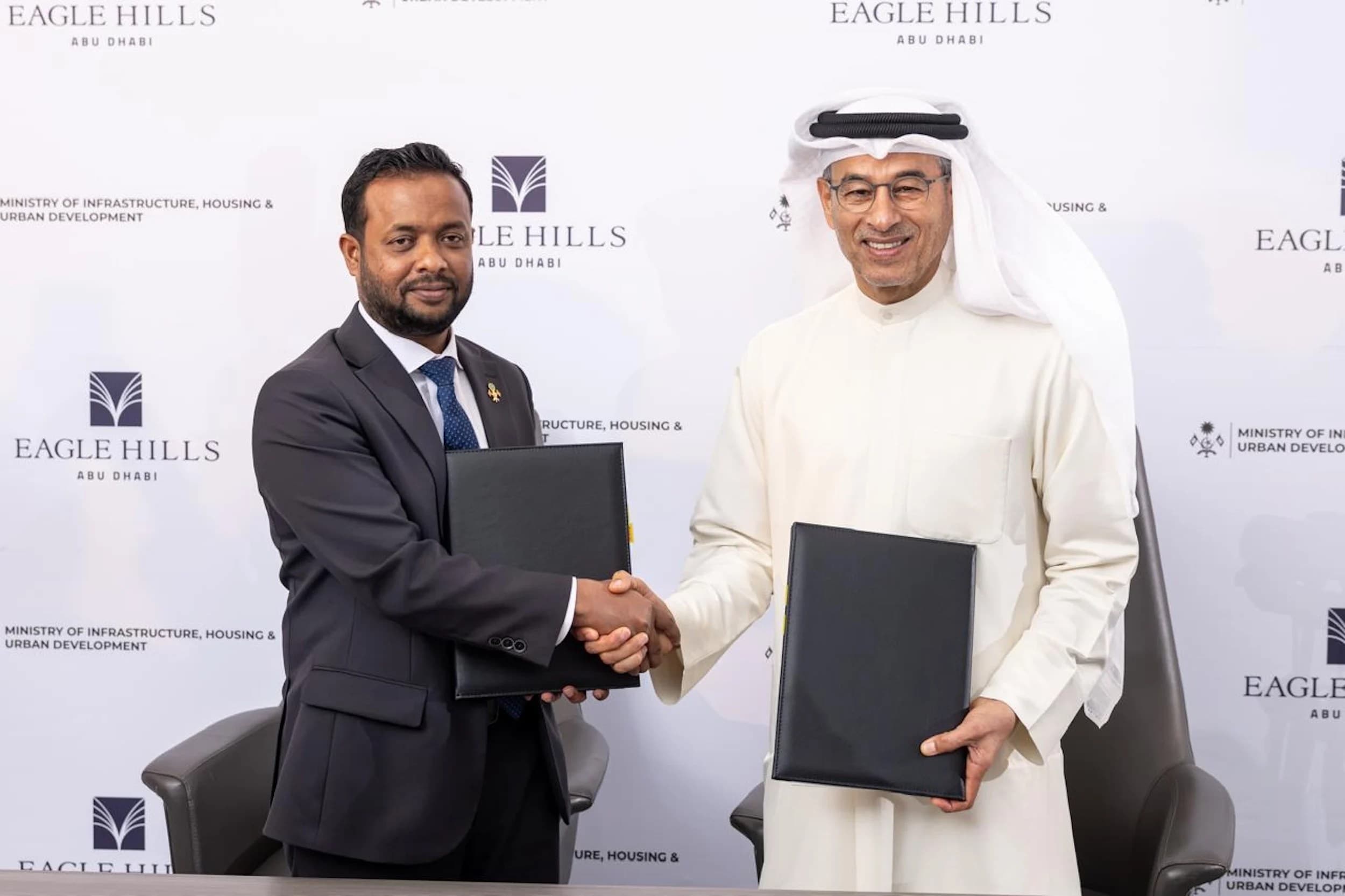
The Maldives government and Abu Dhabi-based developer Eagle Hills have agreed commercial terms for a waterfront and marina development at Ras Malé. The proposal is broader than a resort: plans bring hotels, homes, shops, restaurants, offices, wellness facilities and community services into one connected district. A marina and public waterfront are intended to give the project both an economic role and a recognizable civic edge.
That mixed-use idea is the important part of the announcement. Ras Malé is being positioned as somewhere people could live and work as well as visit. If the eventual plan keeps daily needs within reach, the waterfront could function throughout the week instead of becoming a tourism enclave. Whether that balance survives detailed design and construction is still an open question.
Reading the headline numbers carefully
Eagle Hills has described a development programme of roughly USD 12 billion, while government statements have discussed a wider ambition that could approach USD 20 billion. Neither figure should be read as cash already invested. This is expected to be a multi-stage undertaking, and expenditure will depend on later agreements, finance, demand and the pace at which individual components proceed.
The waterfront component has been associated with about 500 to 550 hectares inside the much larger Ras Malé reclamation area. Eagle Hills chairman Mohamed Alabbar indicated that work on the approximately 550-hectare site could start in the first quarter of 2027. That is a stated target rather than a completion guarantee; master planning, approvals and implementation details still have to turn the framework into buildable phases.
The agreement is consequential, but the quality of the district will depend on the contracts, streets and public services that follow it.
Housing, tenure and the public return
A separate part of the arrangement concerns 5,000 three-bedroom homes in Hulhumalé. Officials have placed that package at roughly USD 400 million to USD 500 million and described it as contractor-financed, with the state taking ownership under the agreed structure. The connection matters because it links a premium waterfront scheme to the capital region's immediate demand for more housing.
Officials have also said the reclaimed land is not being sold outright. Property interests are expected to use leaseholds of up to 99 years, subject to Maldivian law and final documentation. Announced public returns include a 10 percent share of master-developer revenue, a 4 percent charge on property transactions and relevant taxes. Sale proceeds are also expected to pass through a Maldivian escrow arrangement.
What deserves attention next
The development has been projected to draw more than one million visitors a year at maturity, produce over USD 2 billion in annual tourism revenue and support 54,000 direct and indirect jobs over its life. These are forecasts, not present-day outcomes. They depend on transport, operators, public infrastructure and sustained demand arriving alongside the buildings.
For residents and prospective buyers, the next useful information will be less spectacular but more practical: block plans, lease conditions, service charges, resale rules, school and clinic delivery, public access to the shore, construction sequencing and transport links. Those details will reveal whether Ras Malé becomes a rounded piece of city or simply a valuable collection of waterfront assets.