A milestone larger than the resident population
The Maldives recorded two million visitor arrivals in 2025, a striking total for a country with fewer than half a million residents. The figure confirms the international strength of the island destination, but it also shows the scale of the systems operating behind each holiday: aviation, boats, food imports, energy, water, waste handling and thousands of hospitality jobs.
One headline number cannot describe how evenly those benefits are shared. A visitor in a private-island villa interacts with a different economy from someone staying in a family-run guesthouse. Length of stay and spending patterns matter alongside arrivals. The record is therefore a starting point for judging tourism health, not a complete scorecard in itself.
Demand arriving from several directions
The 2025 market drew travellers from China, India and the wider South Asian region, as well as established European sources including Germany, Britain and France. Gulf countries, the United States and Canada also contributed. That breadth reduces reliance on a single country, though airline capacity, currencies and economic conditions can quickly reshape the mix.
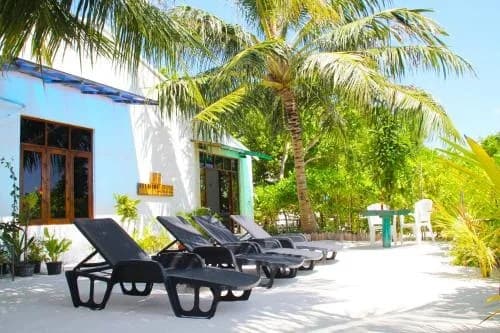
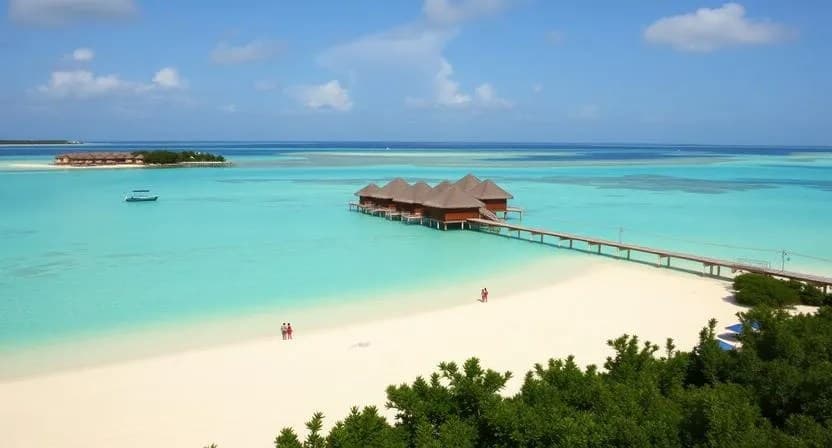
The Maldives continues to sell privacy and high-end resort stays, but its offer is wider than that familiar image. Local-island guesthouses, diving, surfing, wellness programmes and culturally focused trips now give visitors more ways to structure a holiday. Digital promotion and appearances at international travel fairs keep those products visible in a crowded global market.
Two million arrivals measure demand; the harder test is whether tourism can turn that demand into durable benefits without exhausting the islands that sustain it.
Growth brings physical consequences
More arrivals can support employment, foreign-exchange earnings, transport companies and businesses supplying hotels. They can also place additional demand on airports, harbours and already constrained urban islands. Seasonal peaks intensify those pressures, while resort expansion can affect reefs, lagoons and waste systems if capacity grows faster than environmental management.
Many operators now promote solar generation, water reuse and coral programmes, but labels alone do not establish impact. Useful measures include fuel and electricity consumption per guest, the destination of solid waste, wastewater quality and the condition of nearby reefs. Publishing consistent results would allow visitors and regulators to distinguish operational improvement from marketing language.
What the next million should mean
Future growth is likely to include wellness, adventure, food and community-based travel alongside conventional luxury. Better airport capacity and reliable domestic connections can distribute visitors more widely, but local islands need infrastructure and planning to host them well. Residents should gain business opportunities without losing practical access to their own beaches, harbours and services.
For Ras Malé, national tourism growth creates demand for logistics, housing and urban services near the capital. It does not mean every new district should imitate a resort. The more valuable role may be supporting the people and businesses behind the visitor economy while giving the Greater Malé region a liveable city that works regardless of the next annual arrivals record.