A target year, not a finished-city promise
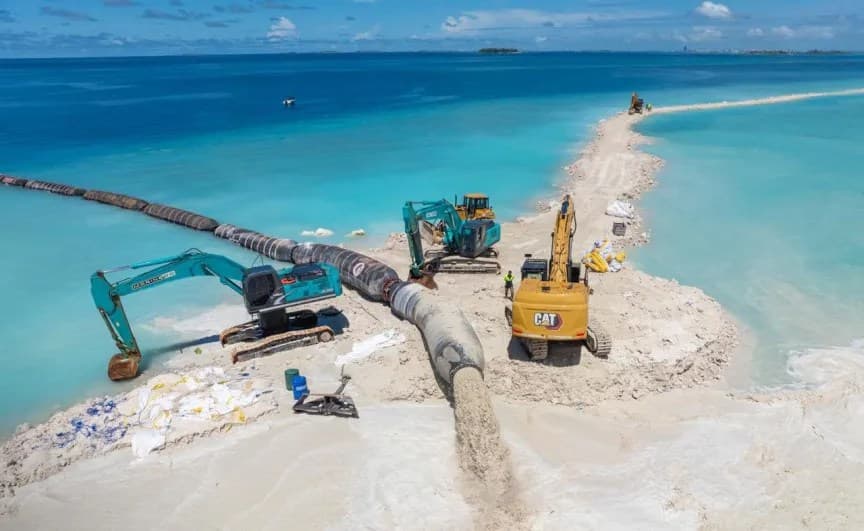
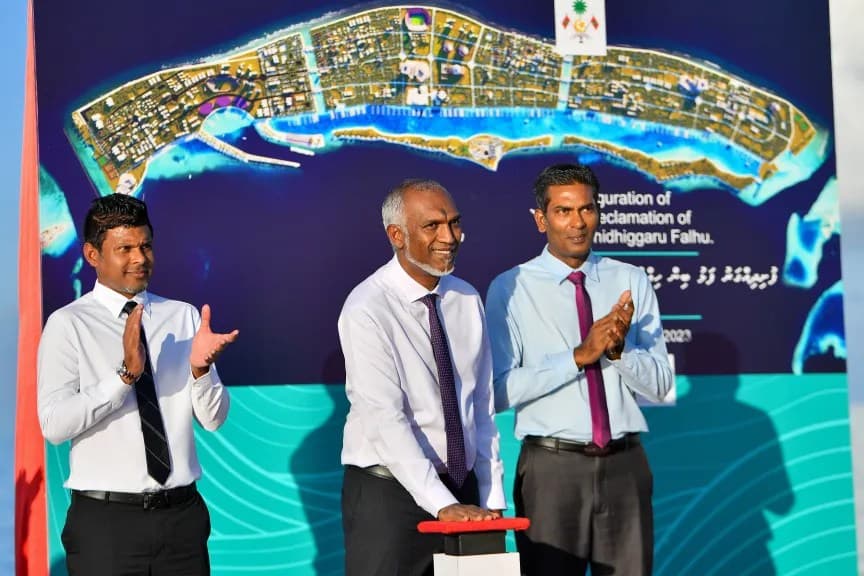
Plans for Ras Malé describe an urban platform of about 1,150 hectares with capacity for as many as 65,000 residents. The 2030 vision combines housing with commercial districts, public facilities and recreation. Because reclamation and construction happen in stages, that date is better read as a planning horizon than as a guarantee that every proposed neighbourhood will be complete.
Phasing can be an advantage if early districts are treated as functioning places rather than isolated building sites. Homes need streets, drainage, power and water from the start, but they also need schools, clinics, food shops, shade and reliable transport. Delivering those elements together would make each completed phase useful while the wider city continues to grow around it.
Housing for more than one market
The residential concept includes high-rise apartments, affordable units, mixed-use blocks and family-oriented neighbourhoods. That range matters in the Greater Malé region, where land scarcity affects households across many income levels. A balanced district would place different tenures and home sizes near the same parks, schools and transport rather than dividing public services by property price.
Mixed-use buildings can shorten daily trips by putting shops or workplaces below homes, but only when streets are comfortable to walk. Continuous shade, safe crossings, active ground floors and small blocks are as important as tower technology. Community spaces and playgrounds also need clear long-term management so they remain useful after the first marketing images have faded.
The real 2030 test is not how futuristic Ras Malé looks, but whether its first neighbourhoods make low-impact daily life practical.
Turning eco-city language into systems
The master-plan narrative includes solar power, efficient buildings, water conservation, wastewater reuse, recycling and lower-emission transport. Parks, cycling routes and pedestrian streets are intended to reduce dependence on private vehicles. Smart grids and digital monitoring could help operators find leaks or manage demand, but sensors are only valuable when institutions can maintain them and publish meaningful results.
A reclaimed city must also prepare for heat, storms and rising seas. Coastal protection, ground levels and drainage deserve the same attention as architecture. Trees and shaded public space can reduce heat while making walking realistic. Environmental performance should be tracked through energy use, water quality, waste recovery and habitat condition rather than through the eco-city label alone.
A city needs institutions as well as investment
Plans identify schools, healthcare, sports facilities, parks, cultural venues, offices, shops and logistics space. Together they could create employment and reduce the need for every trip to pass through Malé. The sequence is crucial: residents should not have to wait years for basic services while premium waterfront components open first.
By 2030, the fairest assessment will look beyond reclaimed area and building counts. How long is the commute? Are homes affordable to the households they were meant to serve? Can children walk safely to school? Does the coast remain publicly accessible? Answers to those questions will show whether Ras Malé has begun to operate as a resilient community rather than a collection of ambitious plans.